
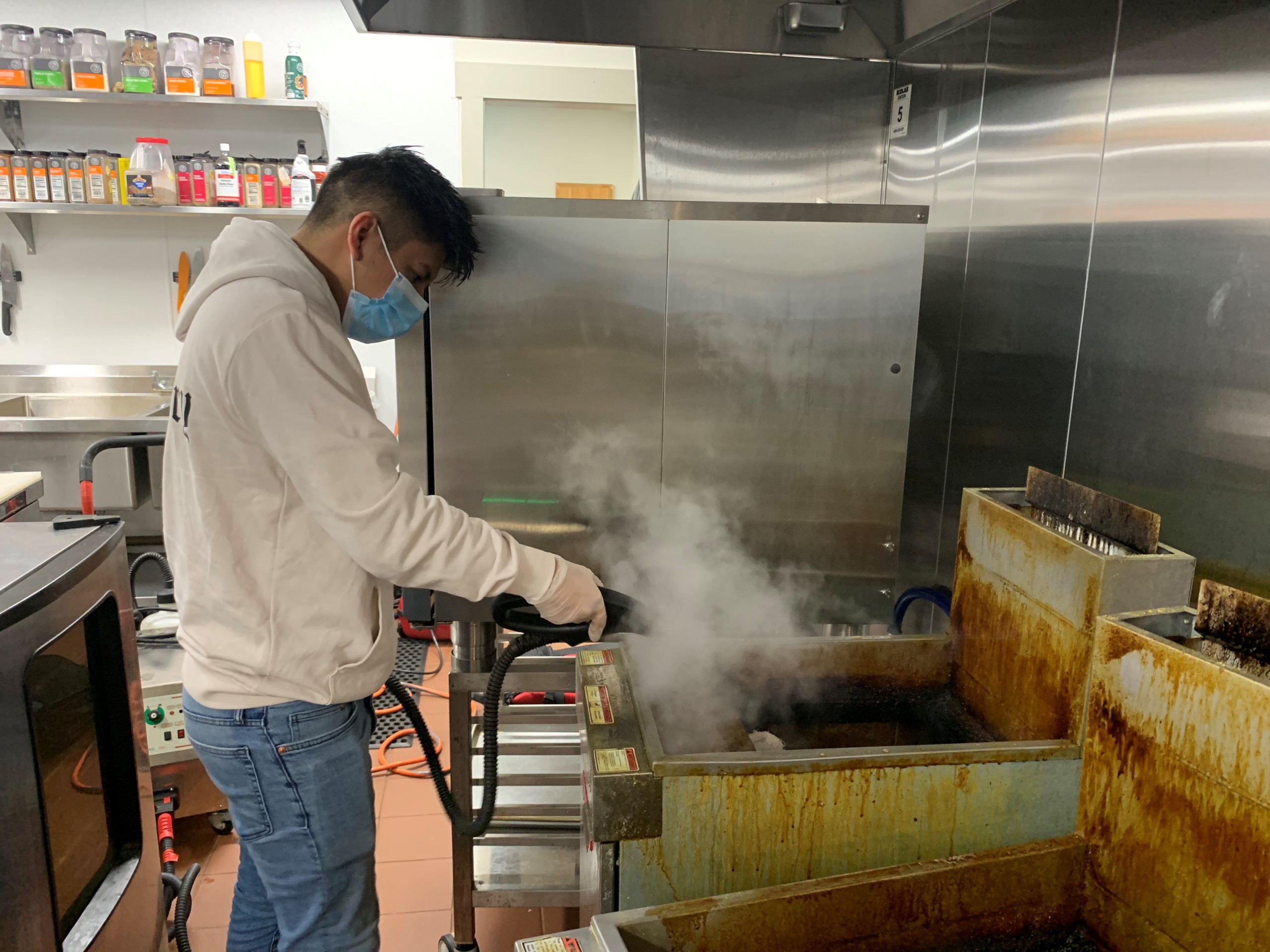
Commercial Kitchen Cleaning
in Arlington, TX
Commercial kitchen cleaning services for Arlington restaurants, entertainment venues, and food service businesses.
394,602
Population
Tarrant
County
TX
State
13+
Services
About Arlington
Arlington, Texas stands as a vibrant city positioned strategically between Dallas and Fort Worth, serving as a major entertainment and commercial hub within the Dallas-Fort Worth metroplex. With a population of approximately 394,602 residents according to recent census data, Arlington ranks as the seventh-largest city in Texas and the 50th-largest in the United States. The city's unique location along Interstate 30 places it at the heart of the metroplex, creating exceptional opportunities for businesses while presenting distinct commercial kitchen cleaning needs across diverse food service establishments.
The city is internationally recognized for hosting two major professional sports venues: Globe Life Field, home of the Texas Rangers Major League Baseball team, and AT&T Stadium, the world-class home of the Dallas Cowboys NFL franchise. These venues generate massive food service operations, including stadium kitchens, luxury suite catering facilities, and numerous concession stands that require specialized commercial kitchen cleaning services. During game days and special events, these facilities produce tremendous volumes of food, creating significant grease accumulation and cleaning demands.
Arlington's entertainment district extends beyond sports to include Six Flags Over Texas, Hurricane Harbor, and the Esports Stadium Arlington & Expo Center. These attractions draw millions of visitors annually, supporting an extensive hospitality infrastructure of hotels, restaurants, and catering operations. The city's restaurant scene spans from national chain establishments along Interstate 20 and State Highway 360 to locally-owned eateries in the historic downtown district and the University of Texas at Arlington area.
The University of Texas at Arlington, with an enrollment exceeding 40,000 students, contributes significantly to the city's food service economy. Campus dining facilities, student union food courts, and the surrounding college-town restaurants create continuous demand for commercial kitchen cleaning services. The university's growth has spurred development of new dining establishments along Abram Street and Cooper Street corridors.
Arlington's climate follows the humid subtropical pattern typical of North Texas, with hot summers averaging highs in the mid-90s and mild winters. This climate creates specific challenges for commercial kitchen operations, as the combination of heat and humidity accelerates grease buildup in exhaust systems and creates conditions where bacteria can proliferate without regular professional cleaning. Summer humidity levels often exceed 70%, making proper ventilation maintenance critical for kitchen operations.
The city's economic development has focused heavily on the Arlington Entertainment District, creating a concentration of hotels, restaurants, and event venues that rely on professional food service operations. Major hotel chains including Marriott, Hilton, and Hyatt maintain significant presence in Arlington, each with full-service commercial kitchens requiring regular hood cleaning, grease trap maintenance, and deep sanitization services.
Arlington's restaurant scene reflects its diverse population and visitor base. The city features authentic Mexican cuisine along Pioneer Parkway, Asian restaurants in the New York Avenue corridor, traditional American fare throughout the city, and emerging upscale dining in the downtown revitalization area. The Parks Mall at Arlington and Arlington Highlands serve as major dining destinations, with food courts and full-service restaurants requiring consistent commercial kitchen maintenance.
For Arlington restaurant owners and food service operators, compliance with Tarrant County Public Health regulations is essential. Professional commercial kitchen cleaning services help establishments maintain the standards required for health department inspections while ensuring equipment longevity in the demanding Texas climate. The city's position between Dallas and Fort Worth creates unique operational considerations, as many Arlington businesses serve customers from across the entire metroplex.
Overview
Arlington, Texas occupies approximately 99 square miles in Tarrant County, positioned roughly 20 miles west of Dallas and 15 miles east of Fort Worth. The city has evolved from its founding as a railroad stop in 1876 into a major metropolitan center with a diverse economy centered on entertainment, education, manufacturing, and healthcare. Arlington's commercial kitchen cleaning needs span this entire economic spectrum, from stadium concession operations to hospital cafeterias and independent restaurants.
Climate Considerations
Arlington experiences the humid subtropical climate characteristic of North Texas, with hot summers that frequently reach 95-100°F and mild winters averaging lows in the mid-30s. Annual precipitation averages around 38 inches, with spring thunderstorms and occasional severe weather. For commercial kitchens, this climate means heavy reliance on air conditioning and ventilation systems throughout much of the year, making regular exhaust hood cleaning and maintenance essential for safe operations.
Business Landscape
Arlington's economy is anchored by entertainment and tourism, with AT&T Stadium and Globe Life Field generating billions in economic impact. The city is home to General Motors' Arlington Assembly Plant, one of the largest automotive manufacturing facilities in the region, which includes extensive cafeteria operations. Texas Health Arlington Memorial Hospital and Medical City Arlington provide healthcare services while maintaining commercial kitchen facilities for patient dining and staff cafeterias. This diverse business environment creates varied commercial kitchen cleaning requirements across multiple industries.
Dining Scene
Arlington's restaurant landscape reflects both its role as an entertainment destination and its status as a residential community. The Entertainment District features numerous chain restaurants catering to sports fans and tourists, while the historic downtown area along Abram Street has experienced significant revitalization with new independent restaurants. The University District supports college-friendly dining options, and the growing Hispanic population has established authentic taquerias and Mexican restaurants throughout the city. From high-volume stadium kitchens to intimate neighborhood cafes, Arlington's food service industry requires professional cleaning services tailored to each operation's specific needs.
Our Services in Arlington
Commercial Kitchen Cleaning of Texas provides comprehensive kitchen cleaning services to businesses throughout Arlington. Our experienced technicians understand the unique requirements of local health codes and deliver services that keep your kitchen compliant and operating at peak efficiency.
Why Arlington Businesses Choose Us
- Local expertise and knowledge of Arlington regulations
- Flexible scheduling to minimize business disruption
- Cleaning protocols matched to the facility scope
- Satisfaction guarantee on all services
Areas We Serve in Arlington
Request a Quote
Get a free, no-obligation quote for commercial kitchen cleaning services in Arlington.
Get Your QuoteContact Information
Phone:
(214) 225-4604
Service Area:
Arlington, TX and surrounding areas
Zip Codes Served
locations planning guide
How to plan arlington tx for a commercial kitchen in Dallas
Commercial Kitchen Cleaning of Texas uses the following planning framework to help property managers and business owners turn a request for commercial kitchen and food-service cleaning into a scope that can be walked, priced, scheduled, and checked. It is designed for practical comparison and does not replace site-specific safety, material, vendor, or regulatory requirements.
Define the Work Before Pricing It
Before pricing arlington tx, document exclusions as carefully as inclusions. Exterior work, high access, consumable supplies, waste handling, specialty floor restoration, equipment interiors, and event cleanup can be scheduled correctly only when responsibility is explicit. Change orders are easier to avoid when the initial arlington tx proposal records current conditions. Photographs, floor-type notes, access limitations, and known buildup give both sides a shared baseline for deciding what belongs in startup work and what belongs in recurring maintenance. Arlington Tx should begin with a written definition of the rooms, surfaces, fixtures, equipment boundaries, and access conditions included in the work. A useful scope separates routine tasks from periodic restoration so the facility manager can see what happens on every visit and what occurs only on a planned cycle. For multi-tenant or mixed-use properties, arlington tx should be divided by responsibility zone. Common areas, tenant suites, back-of-house spaces, loading areas, public restrooms, and restricted rooms can then receive schedules and approval rules that match their actual use.
Build the Schedule Around Operations
Scheduling should be built around operating hours and risk, not around the cleaning company’s convenience. Some commercial kitchen environments need a complete after-hours reset, while others benefit from daytime attention to entrances, restrooms, spills, or high-traffic common areas. A dependable plan includes a method for reporting schedule changes. The facility contact should know whom to notify, how much lead time is needed, and how missed or added visits affect the monthly program before an urgent request arises. Daytime and after-hours service solve different operational problems. Day porter coverage manages visible conditions while people are present; after-hours crews complete disruptive or time-intensive tasks when work areas can be accessed safely and thoroughly. Recurring arlington tx should include planned periodic work instead of waiting for visible deterioration. Rotating detail tasks through monthly or quarterly cycles protects floors, fixtures, glass, vents, edges, and other zones that routine visits cannot address completely.
Make Quality Control Observable
Quality control works best when it is tied to the site-specific scope. A supervisor can inspect completion against named rooms and outcomes, record exceptions, assign corrections, and identify patterns that require a change in staffing, tools, or frequency. Useful performance conversations separate an isolated miss from a recurring process failure. One unemptied bin requires correction; repeated misses in the same wing may indicate unclear zoning, inadequate time, or a checklist that does not match the building. A single complaint channel prevents service issues from disappearing between building occupants, property management, and the cleaning crew. Requests should be logged with the location, task, urgency, and desired completion time so the response can be verified. Inspection frequency should reflect the complexity of the account. A small weekly office may need periodic supervisory review, while a high-traffic or regulated environment may require documented checks several times each week.
Match Methods to Materials and Risk
For sensitive or newly installed materials, a small test area can prevent expensive mistakes. The service plan should identify who approves the test result before broader cleaning or restoration proceeds. Color-coded cloths, pads, and tools can reduce cross-use between restrooms, food areas, workspaces, and public surfaces. The exact system matters less than having a documented method the crew can follow consistently. Consumable supplies deserve their own responsibility list. Soap, paper products, liners, dispensers, batteries, air fresheners, and specialty items may be client supplied, contractor supplied, or billed separately, but the agreement should not leave that question open. A material-safety discussion should include storage and labeling. Facility contacts should know where products and equipment will be kept, which rooms remain accessible to occupants, and how spills or damaged containers are reported.
Use the Walkthrough to Build the Scope
Access and safety constraints should be demonstrated, not merely mentioned. Alarm panels, loading doors, restricted areas, waste points, water access, electrical access, and equipment storage can change the labor plan materially. Bring a current floor plan, operating schedule, and list of known problem areas to the walkthrough. These details help Commercial Kitchen Cleaning of Texas organize arlington tx around actual conditions instead of estimating from square footage and a short phone description. If the requested arlington tx includes restorative work, identify the difference between a first-service reset and ongoing maintenance. Startup work may require additional labor that should not be hidden inside the recurring visit price. For larger properties, divide the walkthrough into zones and record the floor type, use, occupancy, and desired frequency for each. This produces a proposal that can be adjusted by zone without rewriting the entire program.
Put the Service Agreement in Writing
A structured startup period gives both sides a chance to refine the scope. Early inspections and a scheduled review after the first few visits can resolve workload assumptions before they become embedded in a long-term program. A commercial cleaning agreement should attach or reproduce the approved scope, frequency, service window, periodic task calendar, supply responsibilities, access rules, and communication contacts. The written detail protects both the property and the service team. Cancellation, renewal, and notice terms deserve the same attention as the cleaning checklist. A facility manager comparing proposals should understand the initial term, renewal method, price-review process, and the notice required to change or end service. The agreement should state how holidays, weather closures, and client-requested skips are handled. These events affect visit counts and staffing, and the billing treatment should be clear before the first calendar exception.
Plan for Dallas Facility Conditions
A local service plan should account for the property’s immediate environment. Construction nearby, open parking, landscaping, loading activity, and pedestrian traffic can change how quickly dust and debris return after a visit. Properties across Dallas–Fort Worth vary widely in access, occupancy, and operating schedule. A downtown office, suburban medical suite, industrial building, retail center, and hospitality property should not receive the same labor plan simply because their square footage is similar. Commercial properties in the region frequently combine offices, warehouses, showrooms, food service, or public-facing areas under one address. Zoning the scope by use keeps the cleaning method appropriate for each part of the building. Storm seasons can create short-notice needs around entrances, exterior glass, tracked moisture, construction material, and debris. A recurring account should know how to request work outside the normal scope and whether priority response is available.
Compare Providers on More Than Price
Review the proposal for vague language. Terms such as “as needed,” “regularly,” and “periodically” should be converted into frequencies, triggers, or approval rules before the agreement is signed. The final decision should align service frequency with the facility’s real use. Buying fewer visits than the property needs creates visible decline; buying unnecessary frequency wastes budget that could be directed to periodic or high-priority work. Consider the cost of under-scoping. Persistent complaints, damaged finishes, emergency restoration, staff time spent supervising the vendor, and repeated provider changes can cost more than a properly designed recurring program. A pilot or structured startup can be useful when the facility is complex or the current condition is uncertain. Define what will be evaluated, how long the evaluation lasts, and what information determines the permanent scope.
Start, Measure, and Adjust the Program
Task sequencing affects results. High dusting should precede lower-surface cleaning, dry soil removal should precede wet work, and areas with restricted reopening times should be completed early enough to dry or ventilate. Crew orientation should cover the approved scope, building access, material cautions, waste handling, supply storage, security, and the communication path for exceptions. Written information is more dependable than verbal instructions passed between shifts. After the first service cycle, compare actual labor and facility condition with the proposal assumptions. If the original scope was inaccurate, adjust it openly rather than expecting quality to survive an unrealistic workload. The crew should record conditions outside the approved scope rather than quietly ignoring them or performing unapproved work. Photos and concise notes allow the facility manager to decide whether a separate service is warranted.
Bring to the walkthrough
- Approximate square footage, floor plan, and operating hours
- Current frequency, known complaints, and priority areas
- Flooring and surface notes, restricted rooms, and access rules
- Desired start date, budget constraints, and approval contacts
Expect in a written proposal
- Task scope by zone and visit frequency
- Service windows, periodic work, and supply responsibility
- Quality checks, communication, and correction procedures
- Pricing assumptions, exclusions, and change-order rules