Commercial Kitchen Deep Cleaning
Comprehensive deep cleaning for all kitchen surfaces, equipment, and hard-to-reach areas to ensure food safety compliance and optimal hygiene.
About Our Commercial Kitchen Deep Cleaning Service
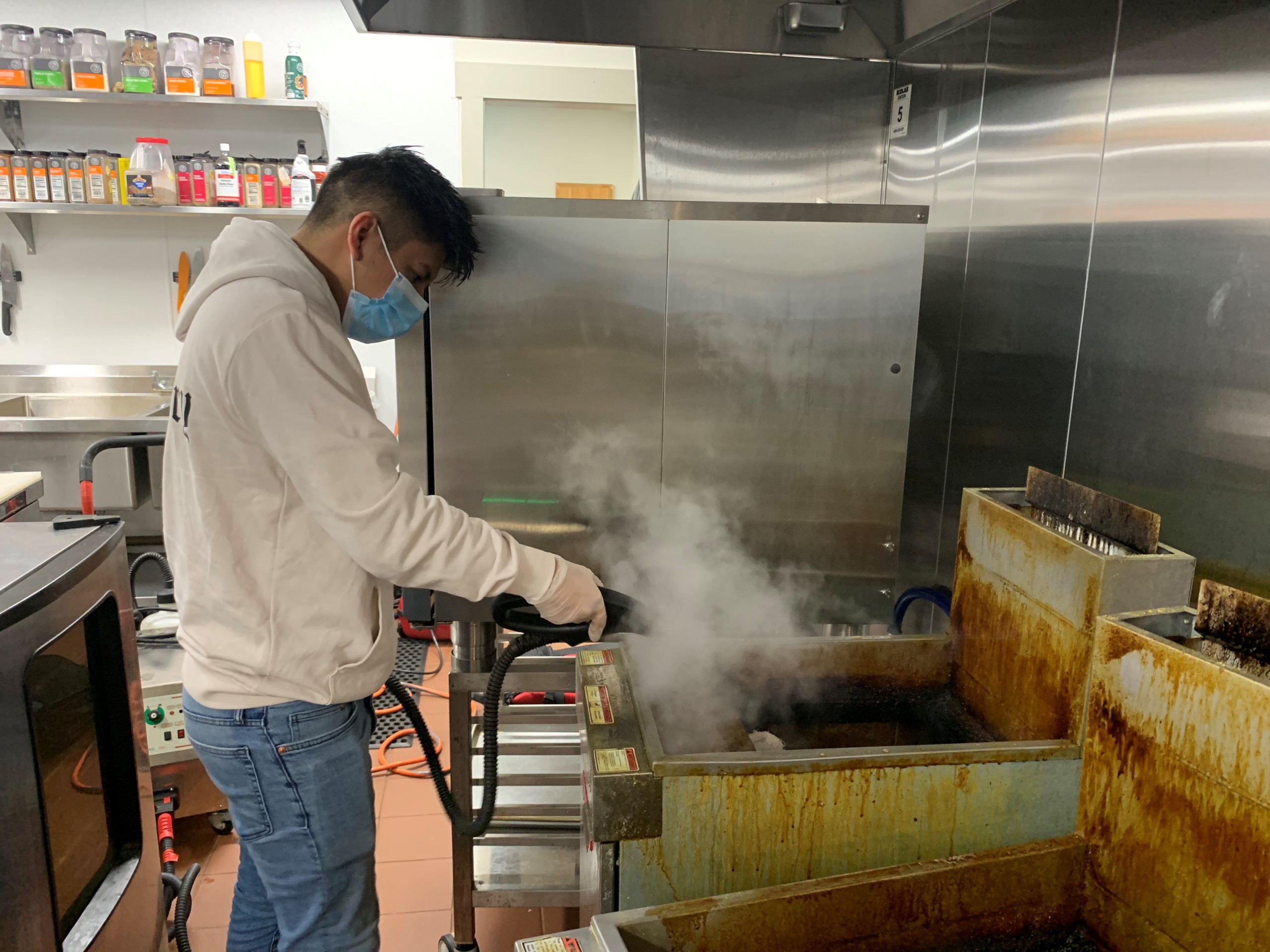
Our commercial kitchen deep cleaning service provides a thorough, top-to-bottom clean of your entire kitchen facility. We clean behind and under equipment, sanitize all surfaces, degrease hoods and vents, and ensure every corner meets health code standards. Our trained technicians use commercial-grade cleaning agents and follow strict protocols to eliminate bacteria, grease buildup, and food residue that can accumulate in busy kitchen environments.
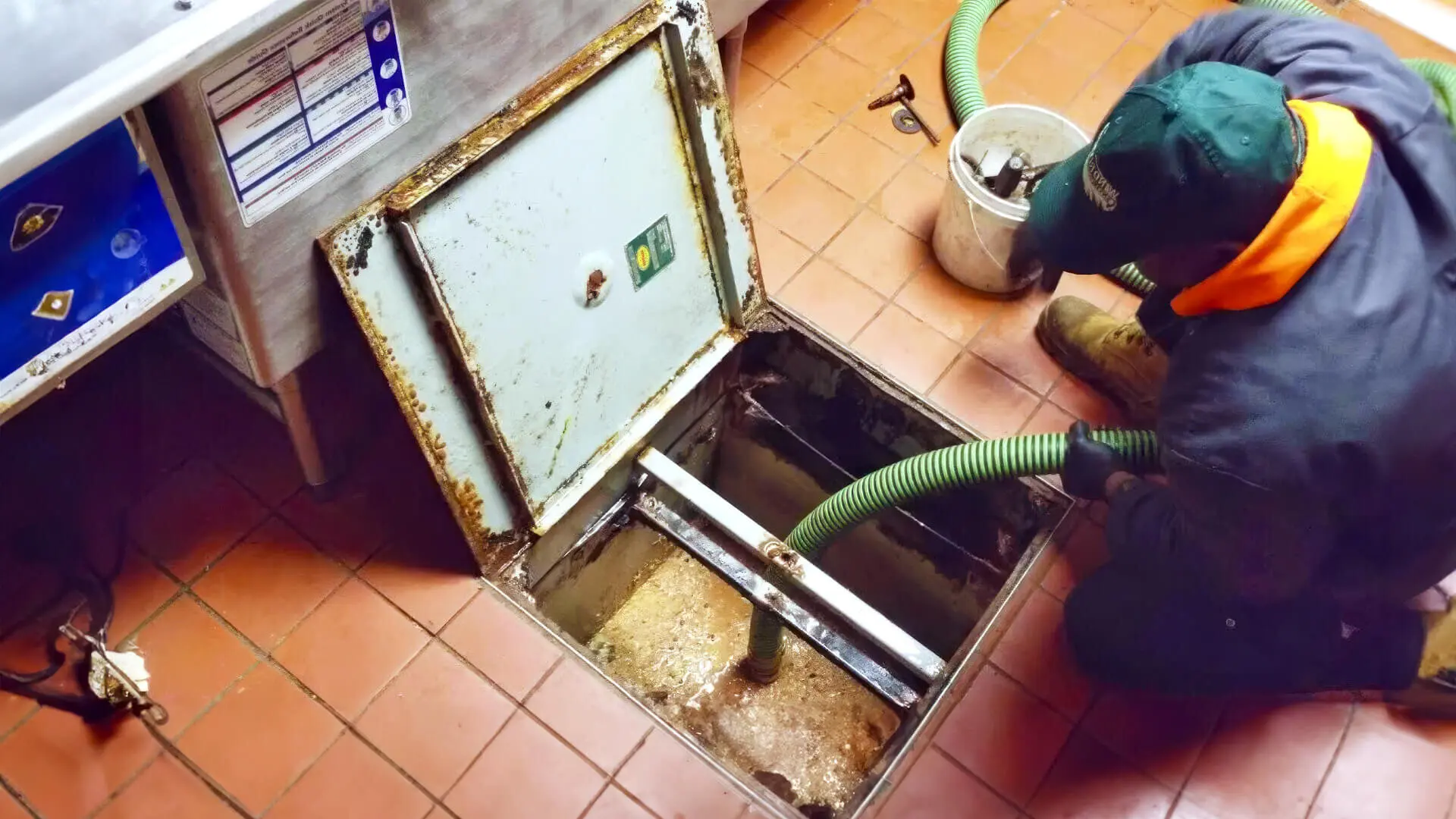
Deep cleaning goes far beyond the daily cleaning routines that kitchen staff perform. While daily cleaning maintains basic hygiene, our professional deep cleaning service targets the areas that are often missed or difficult to access. This includes behind heavy equipment, inside exhaust systems, under flooring, and within ventilation ducts. These hidden areas can harbor dangerous bacteria, attract pests, and create fire hazards if not properly maintained.
Our comprehensive deep cleaning process begins with a detailed assessment of your kitchen layout and equipment. We identify high-risk areas and develop a customized cleaning plan that addresses your specific needs. Our technicians then systematically work through each zone of your kitchen, using specialized equipment and EPA-approved cleaning agents to remove grease, sanitize surfaces, and restore your facility to pristine condition.
We pay special attention to food contact surfaces, ensuring they meet all health department standards. Our sanitization protocols eliminate harmful pathogens including E. coli, Salmonella, and Listeria that can contaminate food and endanger customers. We also focus on non-food contact surfaces that can harbor bacteria and contribute to cross-contamination risks.
The benefits of regular professional deep cleaning extend beyond compliance. Clean equipment operates more efficiently, reducing energy costs and extending the lifespan of expensive kitchen appliances. A thoroughly cleaned kitchen also creates a more pleasant working environment for your staff, improving morale and productivity. Additionally, maintaining pristine conditions helps prevent pest infestations that can damage your reputation and result in health code violations.
Service Overview
Commercial kitchen deep cleaning is an essential service for any food service establishment. Unlike routine daily cleaning performed by kitchen staff, professional deep cleaning targets accumulated grease, bacteria, and debris in hard-to-reach areas. This service is crucial for maintaining health code compliance, preventing fire hazards, and ensuring the longevity of your kitchen equipment.
Our Process
Our deep cleaning process follows a systematic approach to ensure no area is overlooked. We begin by preparing the kitchen space and protecting sensitive equipment. Next, we remove and clean ventilation filters, degrease hoods and exhaust systems, and clean behind and under all appliances. We sanitize all surfaces using food-safe disinfectants and pay special attention to cutting boards, prep tables, and storage areas. Finally, we clean floors using industrial equipment to remove embedded grease and grime.
Benefits
Regular deep cleaning provides numerous benefits for your commercial kitchen. It ensures compliance with local health department regulations and reduces the risk of foodborne illness outbreaks. Clean equipment operates more efficiently, saving on energy costs and reducing the need for repairs. A professionally cleaned kitchen also creates a better impression during health inspections and helps maintain your establishment's reputation for cleanliness and quality.
Key Benefits
- Thorough cleaning of all kitchen surfaces and equipment
- Degreasing of hoods, vents, and exhaust systems
- Sanitization of food contact surfaces
- Cleaning behind and under heavy equipment
- Floor deep cleaning and degreasing
Industries We Serve
Service Areas
We provide commercial kitchen deep cleaning throughout the Dallas-Fort Worth Metroplex, including all major cities and surrounding areas. Our mobile service teams are equipped to handle projects of all sizes, from small restaurants to large commercial facilities.
Request a Quote
Get a free, no-obligation quote for commercial kitchen deep cleaning services.
Get Your QuoteLocations We Serve
Contact Information


services planning guide
How to plan commercial kitchen deep cleaning for a commercial kitchen in Dallas
Commercial Kitchen Cleaning of Texas uses the following planning framework to help property managers and business owners turn a request for commercial kitchen and food-service cleaning into a scope that can be walked, priced, scheduled, and checked. It is designed for practical comparison and does not replace site-specific safety, material, vendor, or regulatory requirements.
Define the Work Before Pricing It
Before pricing commercial kitchen deep cleaning, document exclusions as carefully as inclusions. Exterior work, high access, consumable supplies, waste handling, specialty floor restoration, equipment interiors, and event cleanup can be scheduled correctly only when responsibility is explicit. Change orders are easier to avoid when the initial commercial kitchen deep cleaning proposal records current conditions. Photographs, floor-type notes, access limitations, and known buildup give both sides a shared baseline for deciding what belongs in startup work and what belongs in recurring maintenance. Square footage alone does not define the effort required for commercial kitchen deep cleaning. Occupancy, floor materials, restroom count, food or production activity, security procedures, furniture density, and the time available between closing and reopening all affect labor and equipment planning. Commercial Kitchen Deep Cleaning should begin with a written definition of the rooms, surfaces, fixtures, equipment boundaries, and access conditions included in the work. A useful scope separates routine tasks from periodic restoration so the facility manager can see what happens on every visit and what occurs only on a planned cycle.
Build the Schedule Around Operations
Scheduling should be built around operating hours and risk, not around the cleaning company’s convenience. Some commercial kitchen environments need a complete after-hours reset, while others benefit from daytime attention to entrances, restrooms, spills, or high-traffic common areas. A dependable plan includes a method for reporting schedule changes. The facility contact should know whom to notify, how much lead time is needed, and how missed or added visits affect the monthly program before an urgent request arises. For Dallas–Fort Worth properties, travel windows and building access can materially affect the usable service period. A realistic schedule accounts for security handoffs and operating deadlines rather than promising a start time that leaves too little time to finish. Facilities with irregular occupancy should use a flexible service calendar. Seasonal traffic, events, construction phases, tenant move-ins, inventory cycles, and weather can all create temporary cleaning demand that a rigid schedule will miss.
Make Quality Control Observable
Quality control works best when it is tied to the site-specific scope. A supervisor can inspect completion against named rooms and outcomes, record exceptions, assign corrections, and identify patterns that require a change in staffing, tools, or frequency. Useful performance conversations separate an isolated miss from a recurring process failure. One unemptied bin requires correction; repeated misses in the same wing may indicate unclear zoning, inadequate time, or a checklist that does not match the building. Inspection frequency should reflect the complexity of the account. A small weekly office may need periodic supervisory review, while a high-traffic or regulated environment may require documented checks several times each week. Before-and-after documentation is especially valuable for one-time or restorative commercial kitchen deep cleaning. It establishes the starting condition, records the completed result, and helps the facility manager decide whether a recurring maintenance cycle would prevent the same buildup.
Match Methods to Materials and Risk
For sensitive or newly installed materials, a small test area can prevent expensive mistakes. The service plan should identify who approves the test result before broader cleaning or restoration proceeds. Color-coded cloths, pads, and tools can reduce cross-use between restrooms, food areas, workspaces, and public surfaces. The exact system matters less than having a documented method the crew can follow consistently. A material-safety discussion should include storage and labeling. Facility contacts should know where products and equipment will be kept, which rooms remain accessible to occupants, and how spills or damaged containers are reported. Dwell time and physical removal are central to effective cleaning. A product cannot perform as intended if it is wiped away immediately, and loosened soil still needs to be removed with clean tools rather than redistributed across the surface.
Use the Walkthrough to Build the Scope
Access and safety constraints should be demonstrated, not merely mentioned. Alarm panels, loading doors, restricted areas, waste points, water access, electrical access, and equipment storage can change the labor plan materially. Bring a current floor plan, operating schedule, and list of known problem areas to the walkthrough. These details help Commercial Kitchen Cleaning of Texas organize commercial kitchen deep cleaning around actual conditions instead of estimating from square footage and a short phone description. A useful walkthrough ends with next steps: who will receive the written scope, who can approve revisions, whether a second technical visit is required, and what information is still needed before pricing is final. Ask department leads or regular occupants where cleaning failures are most visible. Facility managers often know the formal complaints, while daily users can identify recurring issues such as neglected corners, supply shortages, or timing conflicts.
Put the Service Agreement in Writing
A structured startup period gives both sides a chance to refine the scope. Early inspections and a scheduled review after the first few visits can resolve workload assumptions before they become embedded in a long-term program. A commercial cleaning agreement should attach or reproduce the approved scope, frequency, service window, periodic task calendar, supply responsibilities, access rules, and communication contacts. The written detail protects both the property and the service team. Pricing should state whether it is monthly, per visit, hourly, or project based and should identify the assumptions behind it. Changes in occupied square footage, frequency, access time, or task scope need an agreed method for repricing. Service-level expectations should be realistic and observable. A promise of “perfect cleaning” is less useful than response times, inspection routines, named completion outcomes, and an escalation process for repeated deficiencies.
Plan for Dallas Facility Conditions
A local service plan should account for the property’s immediate environment. Construction nearby, open parking, landscaping, loading activity, and pedestrian traffic can change how quickly dust and debris return after a visit. Properties across Dallas–Fort Worth vary widely in access, occupancy, and operating schedule. A downtown office, suburban medical suite, industrial building, retail center, and hospitality property should not receive the same labor plan simply because their square footage is similar. Storm seasons can create short-notice needs around entrances, exterior glass, tracked moisture, construction material, and debris. A recurring account should know how to request work outside the normal scope and whether priority response is available. Commercial properties in the region frequently combine offices, warehouses, showrooms, food service, or public-facing areas under one address. Zoning the scope by use keeps the cleaning method appropriate for each part of the building.
Compare Providers on More Than Price
Review the proposal for vague language. Terms such as “as needed,” “regularly,” and “periodically” should be converted into frequencies, triggers, or approval rules before the agreement is signed. The final decision should align service frequency with the facility’s real use. Buying fewer visits than the property needs creates visible decline; buying unnecessary frequency wastes budget that could be directed to periodic or high-priority work. When comparing commercial kitchen deep cleaning proposals, normalize the scope before comparing price. A lower monthly number may exclude periodic work, supplies, supervision, floor care, or enough labor to complete the stated checklist. Ask each provider to explain staffing assumptions, visit length, supervision, equipment, and the process for covering absences. The answer reveals whether the proposal is an operating plan or simply a price attached to a task list.
Start, Measure, and Adjust the Program
Task sequencing affects results. High dusting should precede lower-surface cleaning, dry soil removal should precede wet work, and areas with restricted reopening times should be completed early enough to dry or ventilate. Crew orientation should cover the approved scope, building access, material cautions, waste handling, supply storage, security, and the communication path for exceptions. Written information is more dependable than verbal instructions passed between shifts. Closeout reporting should match the account’s complexity. A small property may need simple completion confirmation; a larger or specialized account may need inspection notes, issue photographs, supply alerts, and a record of periodic tasks. The crew should record conditions outside the approved scope rather than quietly ignoring them or performing unapproved work. Photos and concise notes allow the facility manager to decide whether a separate service is warranted.
Bring to the walkthrough
- Approximate square footage, floor plan, and operating hours
- Current frequency, known complaints, and priority areas
- Flooring and surface notes, restricted rooms, and access rules
- Desired start date, budget constraints, and approval contacts
Expect in a written proposal
- Task scope by zone and visit frequency
- Service windows, periodic work, and supply responsibility
- Quality checks, communication, and correction procedures
- Pricing assumptions, exclusions, and change-order rules